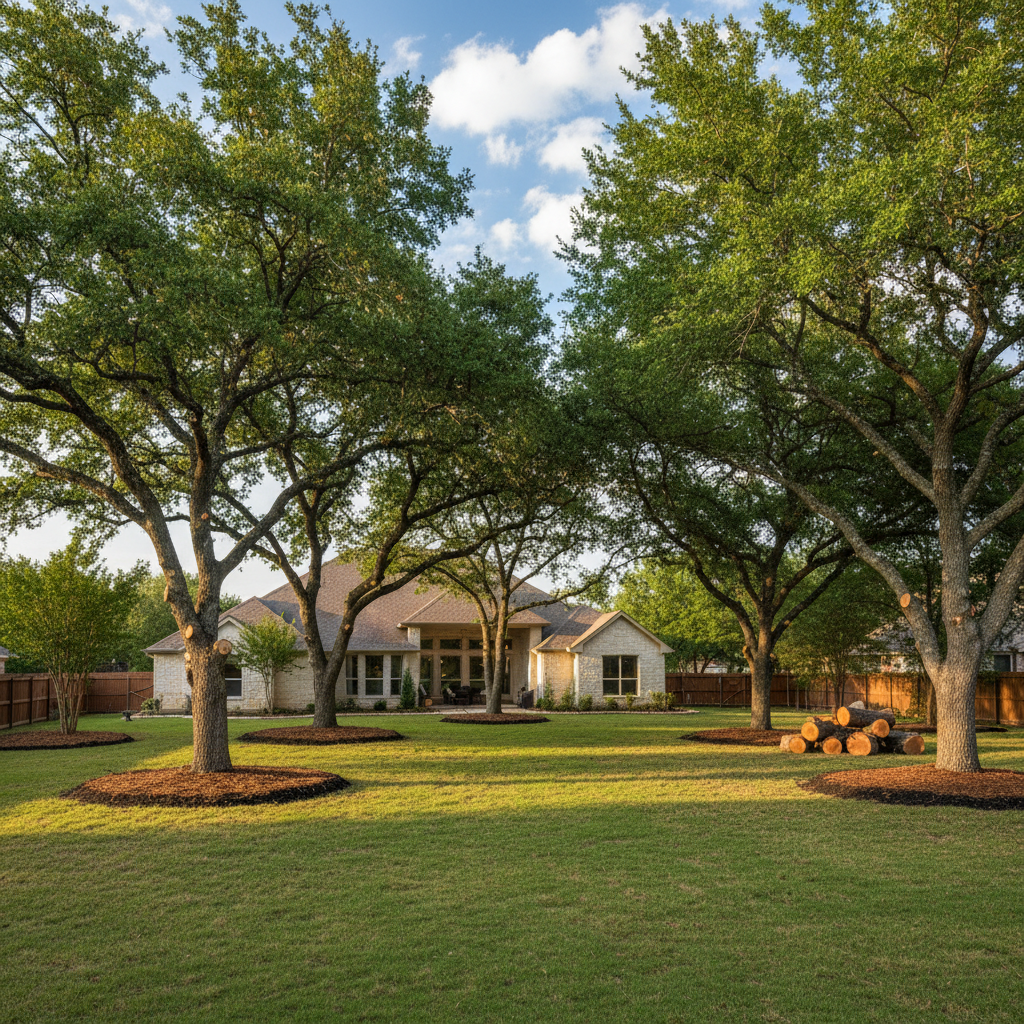
Living in Bee Cave, you already know our weather can be pretty wild. That's especially true for your trees. They're alive, after all, and they react to everything — from our brutal summers to those sudden winter freezes. Knowing what to do when is key to keeping them healthy and protecting your property investment, wouldn't you agree?
Spring: Waking Up and Getting Ready
Once the last freezes are gone, usually by late February or early March, your trees start to wake up. This is a perfect time to really look them over. Search for any branches that didn't make it through winter, especially after an ice storm. You'll spot dead wood easily now, before new leaves pop out everywhere.
Spring is also prime time for preventative treatments. If you've battled pests or diseases before, now's your chance to get ahead of them. Lots of folks around Falconhead West have Live Oaks, and those trees can really suffer from oak wilt. Getting a professional assessment early can save you a ton of grief and money later on.
We generally suggest scheduling any big pruning or structural work in late winter or early spring, before the trees put out a lot of new growth. This puts less stress on the tree and gives it the whole growing season to bounce back. Just don't wait too long into spring, or you'll end up cutting off new growth that the tree just spent energy making.
Summer: Heat, Drought, and Storms
Our Bee Cave summers are no joke. The heat and often long dry spells are incredibly tough on trees. Watering becomes super important, especially for younger trees or those you've just planted. Deep, infrequent watering works way better than just sprinkling a little bit often. You want that water to get deep down to the roots, not just evaporate off the top.
Keep an eye out for stress signals: wilting leaves, leaves dropping too soon, or edges turning brown. These are all cries for help. Sometimes, a tree that looks stressed might actually be getting too much water, so it's good to learn the difference. Always check the soil moisture before you water again.
Summer also brings our famous thunderstorms. High winds and heavy rain can cause serious damage. If you've got big, overhanging branches near your house or power lines, summer isn't the time for major pruning unless it's an emergency. But if you had a professional assessment in spring, you'll already know which branches are weak and need attention. After a storm, quickly check for broken limbs that might be hanging dangerously. That's when you give us a call at Bee Cave Tree Service right away.
Fall: Preparing for Winter's Chill
As temperatures begin to drop, your trees start getting ready for dormancy. This is another fantastic time for pruning. With the leaves falling, it's easier to see the tree's structure and find any dead, diseased, or crossing branches that need to go. Pruning in the fall can actually help prevent winter storm damage by removing weak limbs before they get loaded down with ice or snow.
Mulching around the base of your trees in the fall is a simple, yet powerful, way to protect them. A good layer of organic mulch (just don't pile it right up against the trunk, okay?) helps keep soil moisture in, insulates the roots from big temperature changes, and slowly adds nutrients to the soil as it breaks down. Think of it like giving your tree a cozy blanket for winter.
For evergreens, especially those planted in the last year or two, keep watering them until the ground freezes solid. They don't go dormant like deciduous trees do and still need moisture to make it through the colder months.
Winter: Dormancy and Planning
Winter might seem like a quiet time for trees, but it's still important. This is when many trees are fully dormant, making it an ideal time for major structural pruning or even tree removal if necessary. Without leaves, it's much easier to see the tree's full shape and make precise cuts without hurting new growth.
The ground can get pretty hard here in Bee Cave during a cold snap, which can make digging or planting tricky. But for established trees, winter is a great time to plan for the next year. Consider what you want your trees to look like, if any are growing too close to structures, or if you noticed any problems during the growing season that need fixing.
Also, keep an eye on those winter freezes. Young trees can really benefit from trunk wraps or extra mulch to protect them from sudden temperature drops. And if we get ice, please try not to shake branches to get it off; you're more likely to cause damage than help. Just let nature do its thing, and if a branch breaks, then it's time to call in the pros.
Taking care of your trees all year isn't just about how they look; it's about their health, your safety, and your property value. If you're ever unsure about what your trees need, don't hesitate to reach out. We're here to help you keep your Bee Cave landscape looking its absolute best.